
Arthur Miller is Here to Stay in British Theatre
Published on 2 April 2026
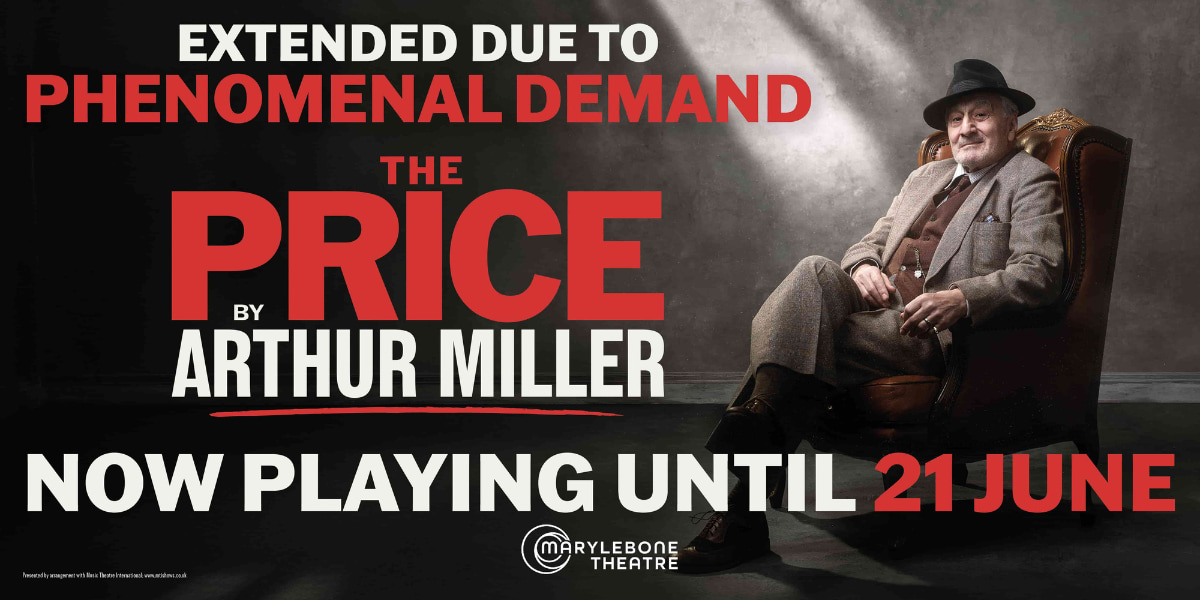
Ivo Van Hove’s superb revival of All My Sons with Bryan Cranston has just finished its run in the West End with demand far outstripping supply. Broken Glass has had a clutch of mighty fine reviews at the Young Vic, where it runs until April 18, and at the Marylebone Theatre, two-time Olivier winner and always dangerously watchable actor Henry Goodman is about to star in Jonathan Munby’s revival of The Price. Next year Paul Mescal will make his National Theatre debut in Death of a Salesman, directed by Rebecca Frecknall.
All these plays are written by Arthur Miller, an American playwright who has been dead for over 20 years and whose most famous plays were written in the mid-20th century. Why do his dramas still have such a vice-like grip on 21st-century London theatre? We see more Miller revivals than we do of plays by his British contemporaries, Coward and Rattigan.
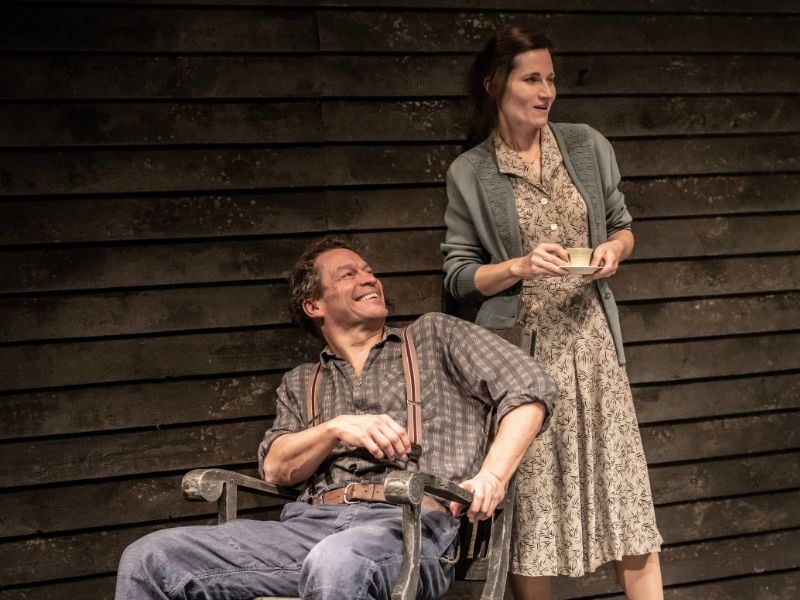
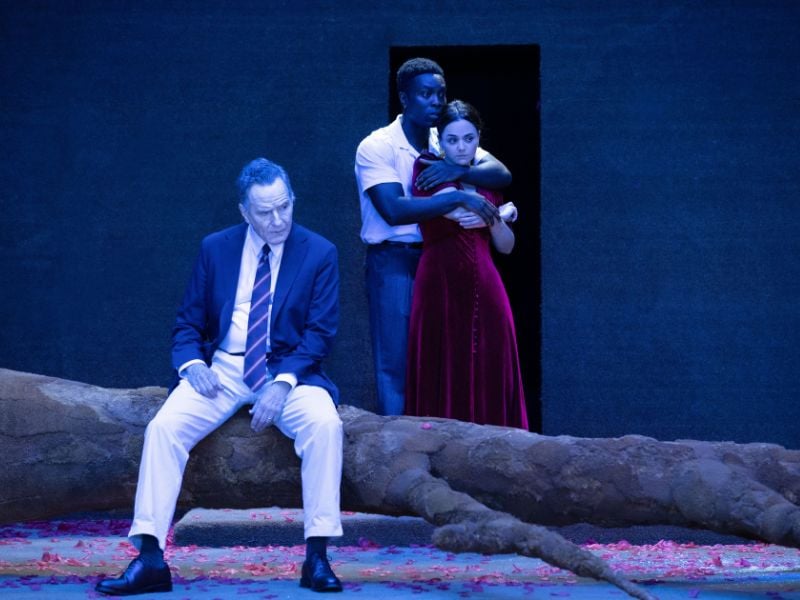
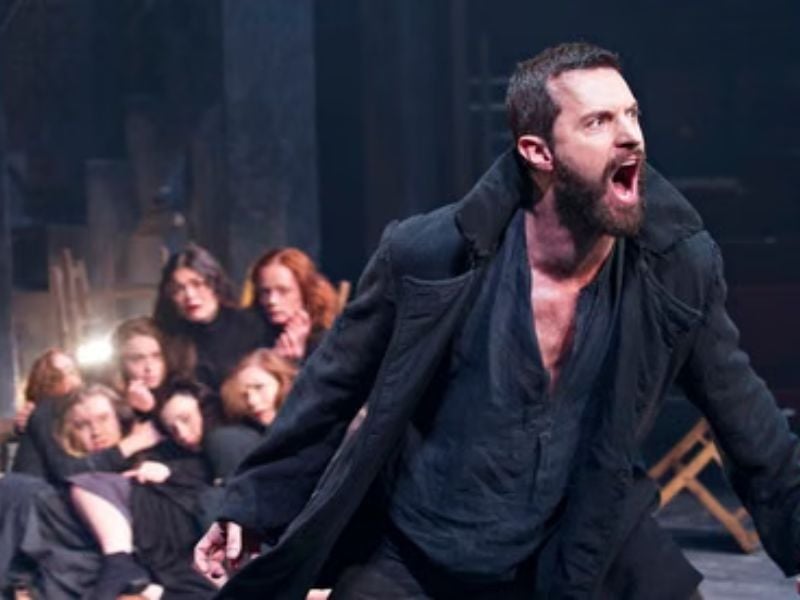
This year’s Miller dominance is no blip. As you’d expect from a major figure in American theatre, his centenary in 2015 brought a slew of major revivals; such a moment often means that the plays then get a rest for a number of years to come. But not Miller. The Crucible has been seen in London twice in the last couple of years—at the Gielgud in 2023 and at the Globe last summer—and Kimberley Belflower’s hugely enjoyable feminist high school drama, John Proctor is the Villain, currently sold out at the Royal Court and surely heading imminently for the West End, offers a completely new spin on Miller’s play and witch hunts via 2018’s #MeToo movement.
In fact, UK theatre has always been rather more receptive to Miller’s plays than Broadway. After all, he is the great debunker of the American Dream and the price paid for the pursuit of success and riches. In Death of a Salesman Willy Loman is paralysed by the terror of failure, while the less frequently revived but equally galvanising. The Price considers the balance sheet that comes attached to the choices we make in life, giving us two brothers who meet after years of estrangement to sell off the family furniture after the death of their father. Both plays are haunted by the crash of 1929, which haunted Miller’s own family, who lost everything in the Great Depression. He observed that he knew that the Depression “was only incidentally a matter of money. Rather, it was a moral catastrophe, a violent revelation of the hypocrisies behind the façade of American society.”
Pointing that out didn’t always make him popular with either the public or critics in the US who reacted against what they saw as his soap-box oratory. Homegrown audiences sometimes shuddered when shown the worms lurking under the stone or beneath the picket fence of mid-century America and dismissed the truths they were being shown for earnestness. But in the UK, far more familiar with playwrights such as Ibsen and Granville Barker and a theatrical tradition of dissecting society and its ugly moral hypocrisies, Miller found a warmer welcome.
True, the plays are sometimes a bit clunky in their plotting (but so are Ibsen’s), but at their very best they have real emotional punch too. Nobody can watch The Price, in which the two brothers—one a policeman and the other a successful doctor—are incapable of forgiving the perceived slights and betrayals of the past without taking it personally. Not least because it depicts with ruthless delicacy the price we all pay in middle age for the decisions we took so casually when young. It is also one of the best plays ever written about sibling rivalry and its fallouts.
Plays survive or get a new lease of life when they are sufficiently plastic enough that they morph and shift depending on the context in which they are being presented. The Crucible might have been written in 1953 as an allegory for the anti-communist witch-hunts of the era, but as Miller himself remarked after seeing many productions around the world, it always served “as either a warning of tyranny on the way or tyranny just past.”
Following the 2008 financial crash, plays such as The American Clock and Death of a Salesman have had new—sometimes unexpected-- contemporary resonances. The Price too may assume new meanings at a time when younger generations are far less likely to ever be as wealthy as their parents.
But perhaps the major reason that Miller’s plays have found a warm welcome in British theatre—his plays are widely revived across the country, not just in London—is that because, unlike the US, British theatre culture has what veteran director Richard Eyre has described as “the virtuous habit of treating yesteryear’s classics as if they were contemporaneous."
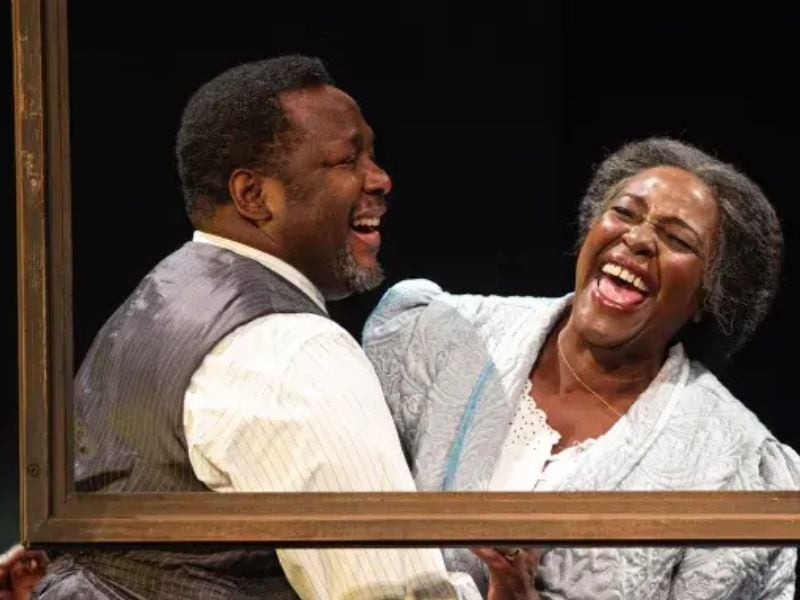
That has been very evident in revivals such as Marianne Elliot and Miranda Cromwell’s blistering, race-inflected revival of Death of a Salesman with Wendell Pierce and Sharon D. Clarke; Yael Farber’s The Crucible with Richard Armitage; and most notably Van Hove’s A View from the Bridge with Mark Strong and the recent All My Sons, which treated the texts like ancient Greek tragedies unfurling with the unstoppable momentum of a doomed train.
These productions release Miller’s plays from their specificity and remind us that Miller was not just a mid-20th-century playwright, but one for all time. That seems unlikely to change any time soon.

By Lyn Gardner
Lyn Gardner is an acclaimed theatre journalist and former critic with decades of experience covering British theatre, from off-West End and fringe theatre to major West End productions.